
Get Help Finding an Accident Report in California
The right report depends on where in California the crash happened and which agency responded. That could be a city police department, a county sheriff's office, or the highway patrol. Share what you remember, and we help you work out where to look.
- Accident (current step)
- Report
- Contact
Accident Report Search in California
After a crash in California, an official report is usually filed by the agency that responded to the scene — and finding that report later is rarely as simple as it sounds. Tell us what you remember about the accident, such as the date, the road, and the general area, and we help you narrow down where in California the report is most likely held, so you can direct your request to the right place instead of guessing.
The search feels confusing because California crashes are handled by many different agencies. A city police department, a county sheriff's office, and state-level responders each cover their own roads, and the report always stays with the agency that responded — not with you, your insurer, or any single central desk. Two crashes a few miles apart can end up in two completely different records systems, which is why so many searches stall before they start.
Our team keeps it simple. You start with whatever details you have — partial information is completely fine, and anything you don't know can be marked unknown. A real person reviews what you share, works out the most likely holder of your report, and follows up with clear guidance on how to pursue your copy. The assistance is free, the form takes about two minutes, and you always leave with a concrete next step.
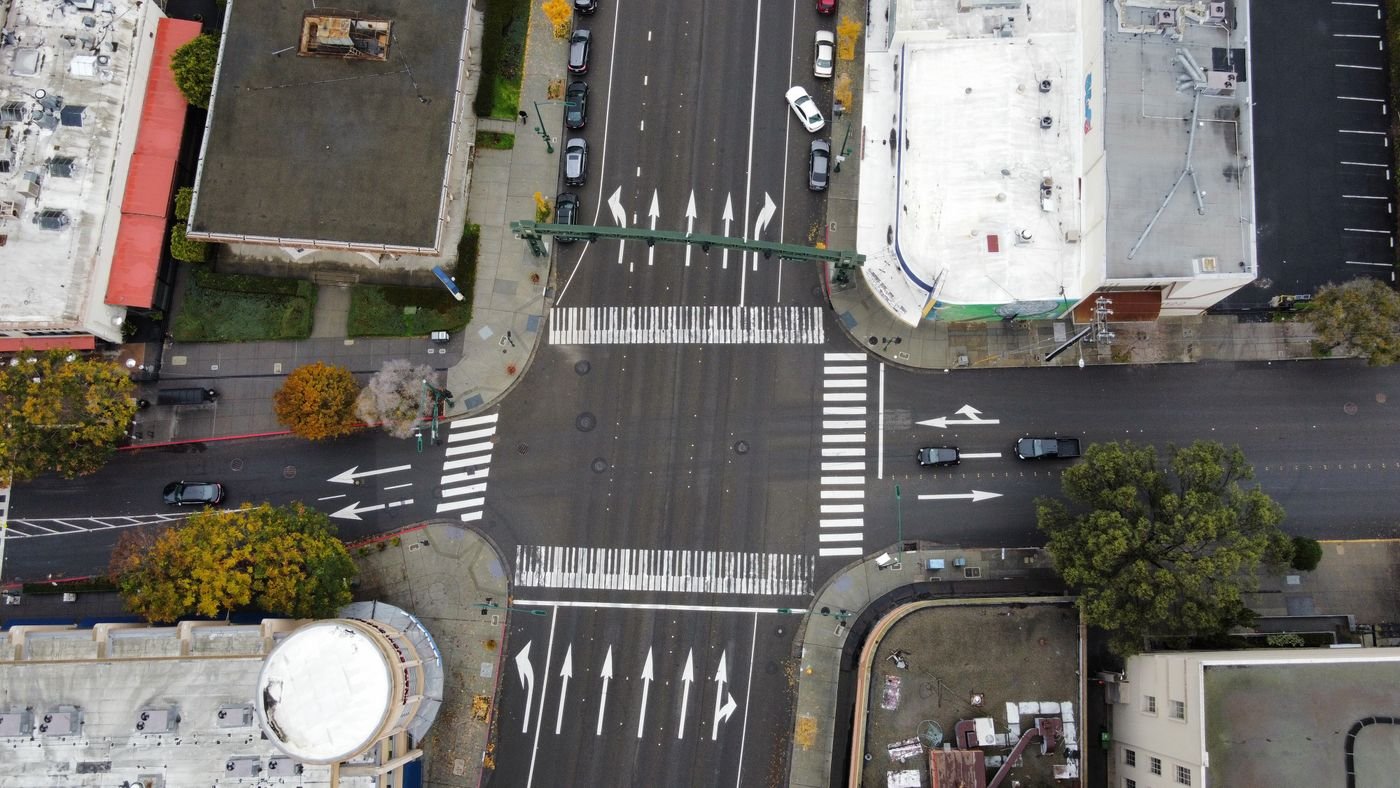
Police Accident Report Help in California
When police respond to a California crash, the officer on scene files an official accident report with their own department. That report is not handed to you at the scene — it goes into the department's records system, where it has to be requested later. We help you understand which department that likely was, how its records unit generally works, and what it typically asks for before releasing a copy.
Police reports matter because they carry the official account of the crash: the parties involved, the vehicles, the officer's narrative, and often a diagram of what happened. Insurers lean on them heavily, and many claims stall until the report is produced. The catch is that records units usually want specific identifying details — the crash date, the people involved, and ideally a report number — before they can locate the right file.
That's where we come in. Share the details you remember about the California crash, and our team helps you work out which department most likely holds the report and what a complete request to that records unit usually needs. If you're missing pieces, we show you how to work around the gaps. You get plain-language guidance and a clear path, without spending days on hold with the wrong office.
Crash Report Request Guidance in California
Requesting a crash report in California usually means giving the records office a specific combination of details — the date of the crash, where it happened, who was involved, and sometimes a report or case number. Requests that arrive incomplete tend to bounce back with a "no record found" reply, even when the report exists. We help you assemble a complete request the first time, so it's far less likely to come back empty.
Every records office also has its own way of accepting requests. Some take them online through a records portal, others by mail, and some still prefer you to appear in person with identification. Fees, processing times, and eligibility rules vary from office to office across California. Knowing which route applies to your report before you start saves days of back-and-forth and duplicate effort.
Tell us what you know about the accident and our team helps you prepare: which details to include, which documents may be worth attaching, and which request channel is most likely to work for the office in question. You approach the records office once, with everything they need in hand — and if anything is missing, we help you plan around it rather than starting over from scratch.
Finding the Reporting Agency in California
The single most common reason accident report searches stall in California is not knowing which agency responded. Jurisdiction usually follows the road: city streets are typically covered by city police, county roads by the sheriff's office, and highways by state-level responders. Until you know who filed the report, every request is a shot in the dark — so identifying the agency is the first real step of the search.
The good news is that the crash location tells us most of what we need. Even if you don't remember an exact address, details like the nearest town, a highway number, an exit, or a landmark are usually enough to narrow the possibilities down to a shortlist. Our team maps what you remember against how coverage generally works in California and identifies the most likely responder.
Instead of calling five offices and repeating your story each time, you share the details once. We come back to you with the agency that most likely holds your report and practical guidance on approaching its records unit. If the first answer ever turns out to be a miss, the shortlist means you already know exactly where to try next — no dead ends.
Report Number Lookup in California
The report number is the fastest key to any accident report — records offices can pull the exact file in moments when you have it. But after a crash in California, that number is easy to lose and sometimes never handed over at all. Maybe the scene was chaotic, the paperwork was misplaced, or the officer simply didn't leave a card. We help you track the number down, or move forward without it.
Report numbers appear in more places than most people realize. Driver exchange slips, the officer's business card, tow yard paperwork, hospital intake notes, and letters from your insurance company all commonly carry it. Our team walks you through each of these places in order of likelihood, so the number that seemed lost often turns up in paperwork you already have at home.
And if it truly can't be recovered, the search doesn't end there. Records units in California can usually locate a report from the crash date, the location, and the names of those involved — it just takes a more careful request. We help you assemble exactly that, so a missing number becomes a small detour rather than a dead end.
Report Status Checks in California
An accident report doesn't become available the moment the tow truck leaves. In California, as everywhere, the officer first writes the report, a supervisor reviews it, and only then is it entered into the records system where copies can be released. That pipeline commonly takes days and sometimes stretches longer — which is why requesting too early so often produces a discouraging "no record found" reply.
That reply rarely means the report doesn't exist. It usually just means the report isn't in the system yet, or the request didn't match how the file was indexed. Knowing the difference matters: one calls for patience, the other for a corrected request. We help you read the response you got and decide what it actually means for your next move.
Share when and where your California crash happened, and our team helps you judge whether the report is likely ready, when a status check makes sense, and where to direct it. You avoid wasted requests, premature fees, and unnecessary worry — and when the timing is right, you approach the records office with a request that's built to find the file.
Help for Out-of-State Drivers
Crashed in California but live somewhere else? You're in one of the most common — and most frustrating — situations in accident records. The report stays with the California agency that responded to the crash, not with any office in your home state. Visitors often leave before the report is even available, and chasing it from hundreds of miles away can feel impossible. It isn't; it just takes the right approach.
Nearly every records office offers some remote route — an online portal, a mail-in form, or a phone process — but finding the correct one for the correct agency is where long-distance requests usually fall apart. Terminology differs from state to state too, so the document you call an accident report may be filed under another name entirely in California.
We bridge that gap. Tell us what you remember about the crash and where you are now, and our team identifies the likely California agency, the remote request route it supports, and what your request should include. You pursue your copy entirely from home — no travel, no guesswork, and no calling office after office across state lines.
Report Correction Guidance in California
A wrong name, a mistyped plate, an incorrect date — errors in accident reports happen more often than you'd expect, and they can ripple into insurance claims and records for years. If your California report contains a mistake, the fix goes through the agency that filed it, usually via a supplemental or amendment process. We help you understand how that process typically works and how to approach it properly.
The most important distinction is between factual errors and disagreements. A misspelled name or wrong vehicle description is a factual error, and agencies generally have a path for correcting those when you can document the truth. Disagreeing with the officer's opinion about fault is different — that's rarely changed through a correction request, and knowing this up front saves real frustration.
Our team helps you sort which kind of issue you have, gather the documentation that supports a correction — licenses, registrations, photos, witness details — and prepare a clear, factual request to the right records unit in California. You go in with realistic expectations and the strongest possible case for setting the record straight.
Insurance Claim Report Support in California
If your insurer keeps asking about the accident report, there's a reason: adjusters treat it as the official account of what happened on that California road — the parties, the vehicles, the narrative, and the diagram. Claims often sit in limbo until the report surfaces. We help you obtain your own copy, so your claim moves on facts you've actually seen rather than a document you've never read.
Having your own copy also lets you check it before it shapes your claim. Details worth reviewing include how the vehicles and damage are described, whether every party and witness is listed, and whether the narrative matches what you remember. Claim-relevant errors are far easier to address early than after a decision has been made against you.
We work for you, not for any insurance company. Share the crash details and our team helps you track down the report from the responding California agency, understand what's in it, and spot anything worth flagging. You stay in control of the document at the center of your claim — informed, prepared, and free of surprises.
Get Started
Start With the Accident Details You Have
You don't need every detail before beginning. Start with what you remember and mark the rest as unknown.
Share the Accident Details
Complete the short form with the date, location, and anything else you remember.
Information Is Reviewed
Our team looks at your details and works out which California agency most likely holds the report.
Get Guidance on the Next Step
We follow up with what we found and a clear next step for your request.